01
Find a code or phrase
A blank query shows all 28 selected entries. Search a number, English reason phrase or meaning in this language; the five family buttons narrow only the submitted result.
Developer reference
Find a code or phrase, choose a response family, and read a sourced example without sending a request.
Meaning: A gateway or proxy received an invalid response from upstream.
Typical condition: The upstream connection or reply was broken.
Check first: Check proxy logs and upstream health; distinguish this from a 504 timeout.
Made-up HTTP/1.1 example; your server may send different headers or a different body.
HTTP/1.1 502 Bad Gateway
Content-Type: application/problem+json

{"title":"Bad Gateway","status":502}Search filters bundled reference data in this browser. No URL is requested until you open a source or tool link.
28 of 28 selected codes · viewing 502
A failing API call often leaves one number in a log and several possible causes. This HTTP status codes reference puts the response shape beside the first place to inspect, so 502 does not become a vague label for every upstream problem.
Use the HTTP status codes index as a starting point, then check the real headers, body and server logs. This is a selected reference, not a live probe or a replacement for the full IANA registry.
A code is a starting signal; the next check depends on where the failure occurred.
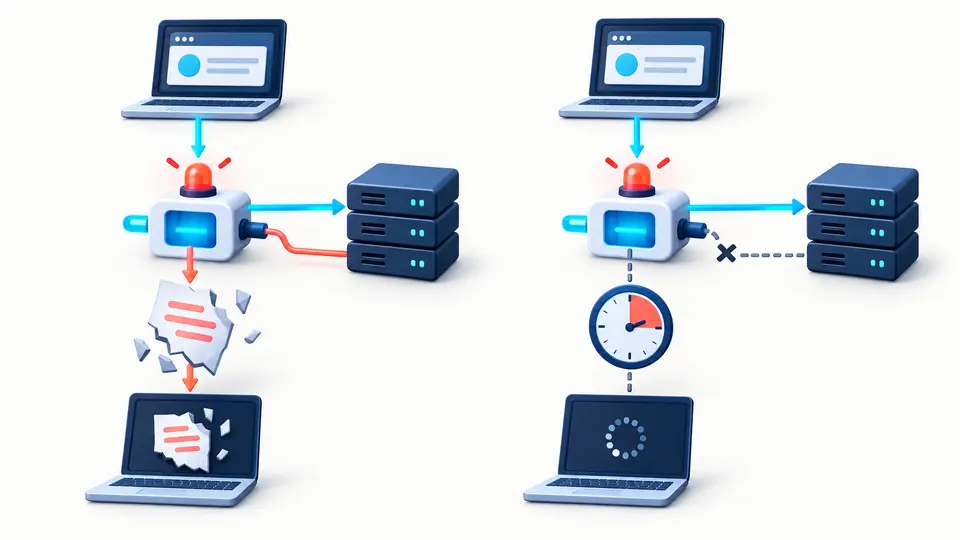
The HTTP status codes 502 and 504 both come from an intermediary, but 502 points to an invalid upstream response while 504 points to a timeout. The first investigation differs.
Search 429 to see a sample Retry-After header and a practical first check. The HTTP status codes table links each selected entry to its defining RFC and the IANA registry.
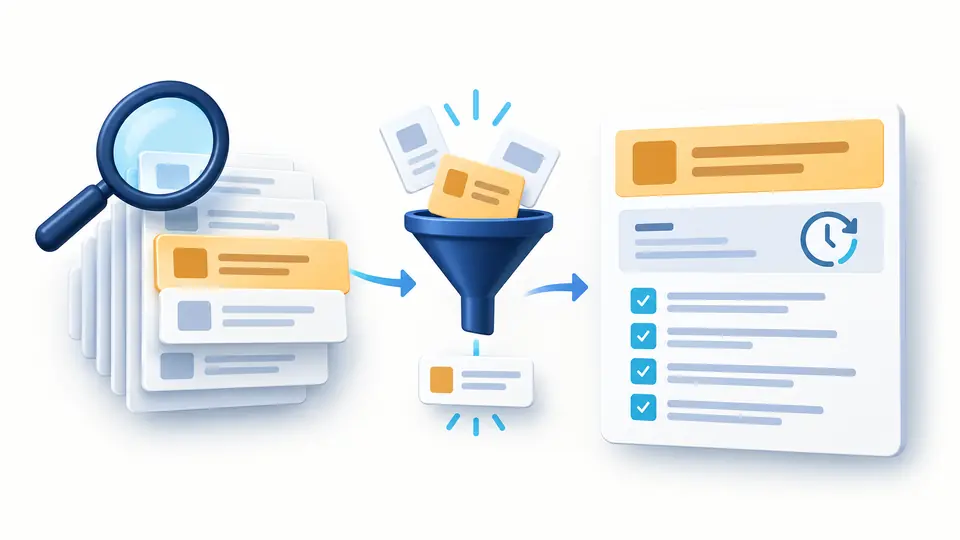
A blank query shows all 28 selected entries. Search a number, English reason phrase or meaning in this language; the five family buttons narrow only the submitted result.
The default 502 and nearby 504 differ in whether an upstream reply was invalid or late. The example 429 exposes Retry-After; 302 and 307 differ in method handling.
Examples are fictional HTTP/1.1 snippets. Open the RFC, inspect actual headers and logs, and treat a missing code as outside this selection rather than invalid.
The HTTP status code list covers 28 selected 1xx–5xx entries with local numeric, phrase and meaning lookup; it does not turn every integer into a result.
Each card shows a synthetic status line and relevant headers. 204 and 304 intentionally have no response body, while 401, 405 and 429 show useful headers.
Defining RFC and IANA links let you verify the protocol meaning before debugging HTTP error codes in a real application.
They report the outcome of an HTTP request in five families: informational, success, redirection, client error and server error. This HTTP status codes page shows 28 selected entries, with the full registry linked in each detail.
401 means valid authentication is missing and should include a WWW-Authenticate challenge. 403 means the server understands the request but refuses it, often because the known identity lacks permission.
404 says no current representation was found, without saying whether the absence is permanent. 410 is more explicit when the resource is known to be permanently gone.
A rate limit was reached. Read Retry-After when present, examine the service's rate-limit policy, and consider whether retrying the operation is safe.
A gateway returns 502 after receiving an invalid upstream response; 504 means it did not receive a response in time. Check proxy and upstream logs to find the actual layer.
Missing a code or a useful check?
Find a code, compare the response example with your real headers, then follow the defining source before changing a client or server.