01
Search by the token you already have
The same field accepts GET, Content-Type, application/json and .webp. An extension search is a lookup, not a content detector.
Developer reference
Search a method, header name, media type or common extension in one local index.
Meaning: Identifies the media type of the current request or response body.
Direction: Both
Watch out: Content-Type labels the current representation. Charset and multipart boundary parameters have separate rules.
Content-Type: application/jsonQueries stay in this page; external sources open only when you choose a link.
2 of 46 curated entries
When an API behaves unexpectedly, an HTTP reference helps separate method semantics from header fields and body media types. Try Content-Type, GET or .webp without sending a request.
This HTTP reference connects each selected token to a concrete HTTP example and its source. Use the IANA links when an extension, a new method or a service-specific value needs closer checking.
The nearby concepts stay connected without pretending the index is exhaustive.
Content-Type describes the representation, while Accept describes a client preference. This HTTP reference puts an actual header line next to the media type it names.
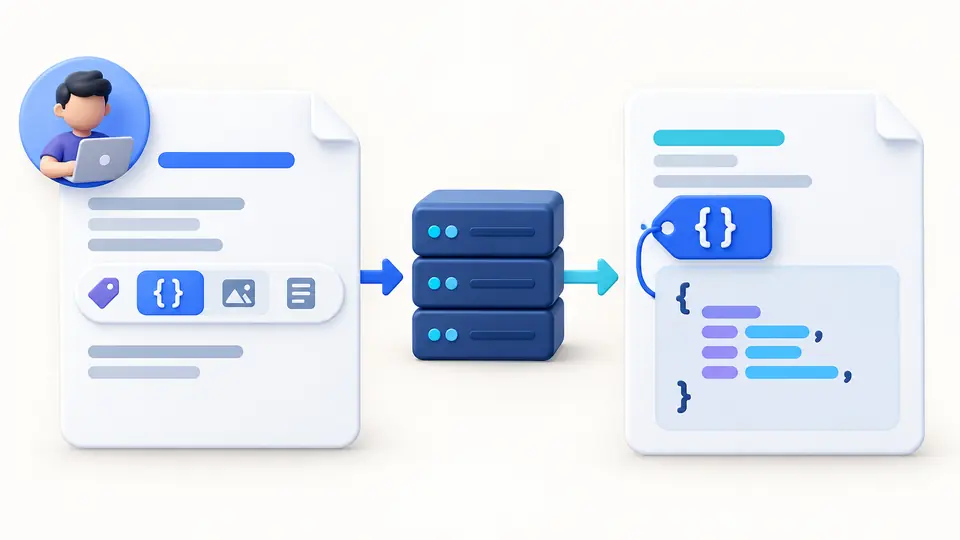
Search .webp to find image/webp, then read the note that an extension is only a common association. The HTTP reference does not inspect file bytes.
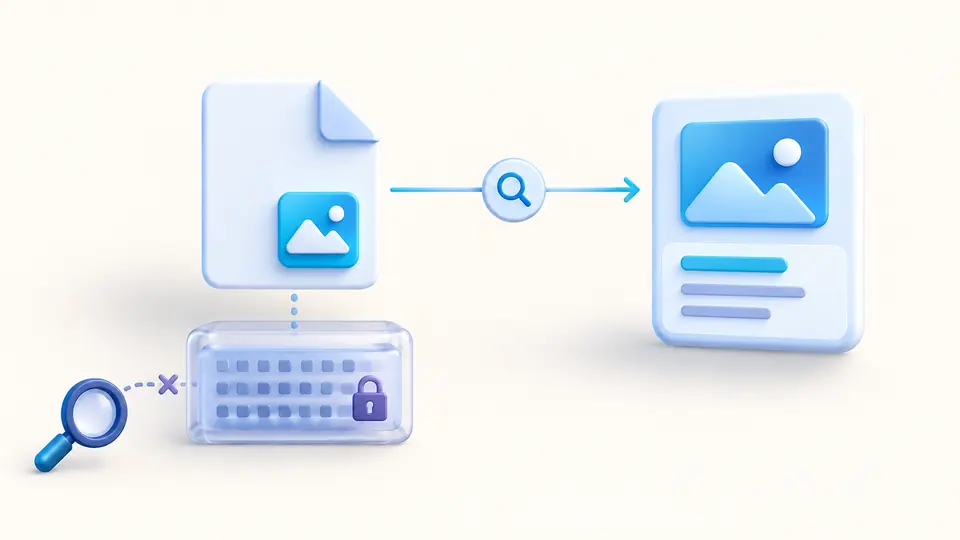
The same field accepts GET, Content-Type, application/json and .webp. An extension search is a lookup, not a content detector.
Methods show safe and idempotent separately; headers show request or response direction; media types show common extensions rather than guaranteed file formats.
The source link points to a specification or MDN entry. QUERY is registered, but your target server must still support it before you use it.
The method cards include GET through QUERY with safety, idempotence and a sample request; QUERY links to RFC 10008.
Selected HTTP headers show whether they occur in requests, responses or both, alongside a concrete field value.
MIME types show a Content-Type line and common extensions; image/webp and text/javascript reflect current registered names.
PUT replaces a target representation and is idempotent; PATCH applies a partial change and is not inherently idempotent. POST asks the target to process content. Check the method cards and your API contract.
Accept lists response types the client can accept. Content-Type states the media type of the body in the current request or response; they can legitimately differ.
No general guarantee. A particular PATCH document may be written idempotently, but the method registry does not promise that repeated PATCH requests have the same effect.
No. The extension lookup offers a common association only. A server must send an appropriate Content-Type, and actual file bytes may differ from the filename.
HEAD asks for metadata corresponding to GET without a response body. It is useful when you need headers such as Content-Length before deciding whether to fetch the representation.
Missing a token or found a mistake?
Look up a token, read its example and boundary, then follow the primary source for production decisions.