01
Read the first slash before the first colon
A host is recognized in the first segment when it contains a dot, colon or uppercase letter, or equals localhost. Without a slash, localhost is itself a Docker Hub repository name.
Docker & Containers
Parse one image reference or build it from separate fields. Inspect defaults and digest precedence before copying.
References stay in this browser. No registry lookup, upload or Docker daemon access.
Enter a reference or repository path.
Modes keep separate drafts. Leave registry blank for Docker Hub; put the full repository path in its own field. A registry such as host:5000 is unambiguous.
One reference, up to 4,096 characters. Repository path: 255; tag: 128. Digests: sha256/384/512 with full lowercase hexadecimal.
Waiting to parse the latest input…
The Docker image parser helps when a deployment points somewhere unexpected. The colon in registry.example.com:5000/team/api:v2 separates a port in one place and a tag in another; splitting at the first colon loses that distinction.
Compare a short name with a private registry example. The result keeps the repository path and selector visible, so a missing host or an inherited latest tag does not disappear inside a string.
The Docker image parser expands nginx to docker.io/library/nginx:latest. Default badges distinguish inserted values from the ones you supplied, while private registries keep their own repository paths.
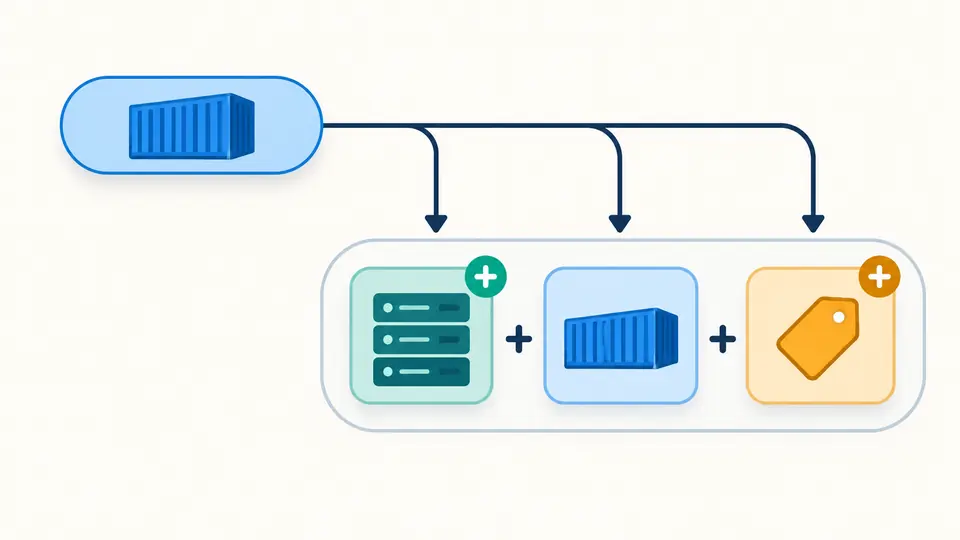
A reference can contain both a tag and a digest. The normalized view preserves both for review, and a separate effective reference shows the digest-based selection without pretending the tag has been verified.
A host is recognized in the first segment when it contains a dot, colon or uppercase letter, or equals localhost. Without a slash, localhost is itself a Docker Hub repository name.
Switching to fields preserves the text draft. In the builder, registry is optional and repository includes the namespace; do not append :tag or @digest to that field.
Auto parsing waits 350 ms. Turn it off to reveal the run button; Ctrl/Cmd + Enter also runs. Loading examples and clearing show a replacement preview, and one undo restores the input and result.
The container image parser applies docker.io and library only where Docker shorthand calls for them. It also maps index.docker.io to docker.io, while leaving tag case intact and refusing uppercase repository paths.
A Docker image reference can contain a hostname, numeric port or bracketed IPv6 registry. Repository separators, tag characters and digest lengths are checked independently, so a malformed digest is not mistaken for a version label.
Combine registry, repository, tag and digest fields into a named reference. Copy the normalized or effective string, or export JSON with the parsed fields and default flags. Export stays disabled after an edit until the current draft succeeds.
Repository path components must be lowercase; tag text may contain uppercase letters. Check the namespace and image name before the tag separator. This tool flags the path rather than silently changing it, because a typo could name a different target.
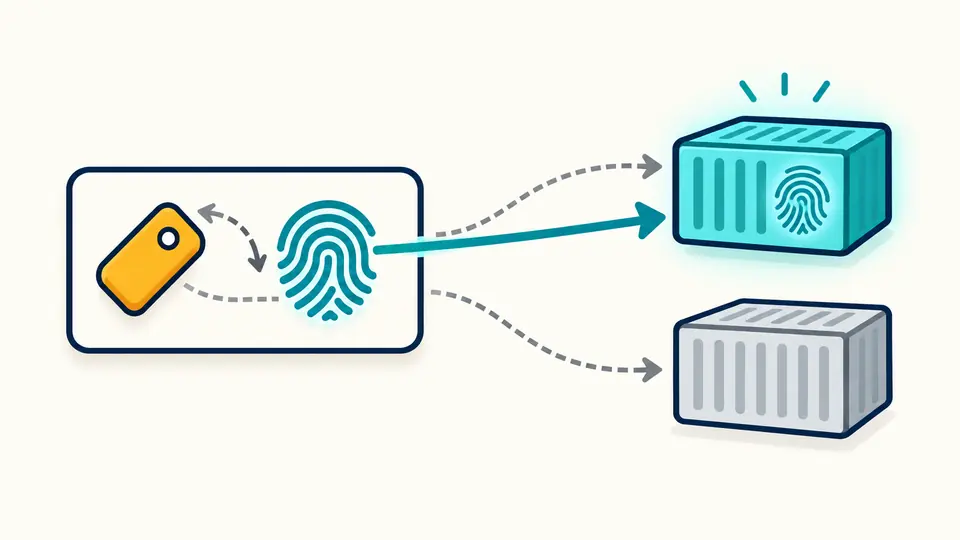
Do not rely on that check. When both are supplied, the digest controls selection. The normalized output keeps the original tag for inspection, while the effective output omits it. Confirm any claimed relationship with registry metadata separately.
The word latest is a tag, not a request to calculate the newest semantic version. Its owner chooses what it points to and can move it. This parser shows the tag literally; finding its current digest requires a registry query outside this tool.
In registry/api, the lowercase first segment lacks a dot or port and is treated as a namespace. Try registry:5000/api or an appropriate dotted host. The builder rejects an ambiguous registry field instead of quietly producing a Docker Hub target.
An image ID identifies local image configuration content; a registry digest may identify a manifest or an image index. They are not generally the same hash. Supply a repository followed by @ and its registry digest; this tool cannot derive one identifier from the other.
Still have a question?
Use the Docker image parser to check the destination and selector together. Take the effective reference only after the current draft has passed validation.