Pick a method before reading the result
ROT13 and ROT47 undo themselves when applied twice. Caesar needs the same shift and the opposite direction to reverse a message.
- Switching method immediately makes the previous result unavailable to copy.
TEXT ROTATIONS AND MORSE
Choose a rotation or Morse. The result updates after a short pause; switch off auto mode to run it with Ctrl/Cmd + Enter.
Text is processed in this browser; no request sends your input to a server.
Input limit: 100000 UTF-16 units.
Enter text or load an example.
A spoiler marked with ROT13 or a puzzle full of dots and dashes is easier to inspect when the original and result stay side by side. This ROT13 decoder also lets you compare how ROT47 treats symbols and how Caesar shifts letters.
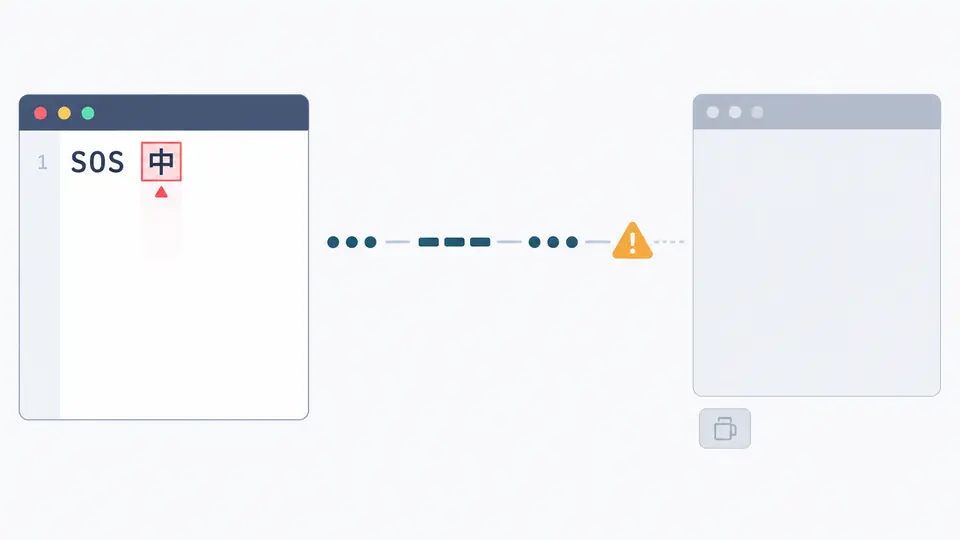
The ROT13 decoder preserves anything outside its alphabet and reports how many characters stayed unchanged. For Morse, the page points to the first unsupported character or code group instead of silently dropping it.
One text workspace for four deliberate methods.
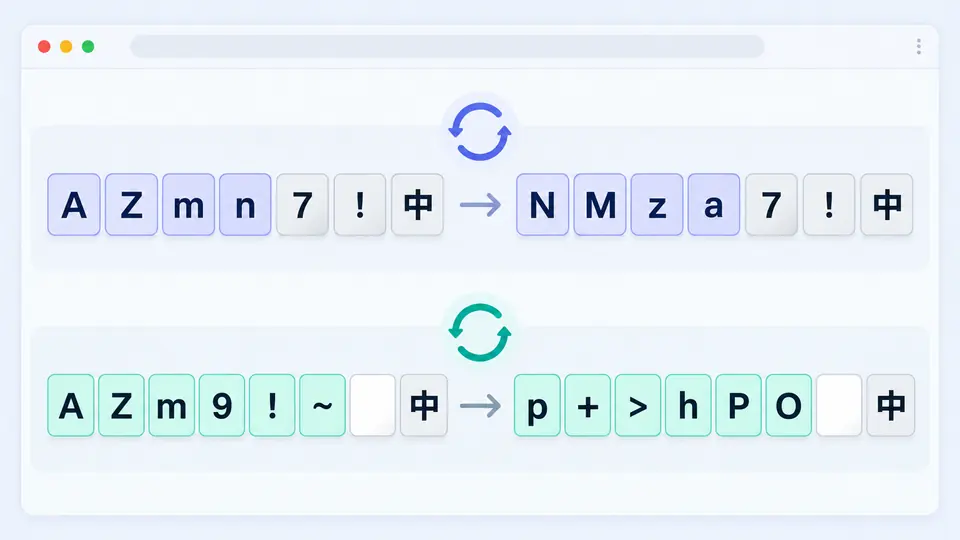
The ROT13 decoder rotates A–Z only; ROT47 rotates printable ASCII, including digits and punctuation. A visible unchanged-character count helps you spot Unicode that was never encoded.
A bad Morse group or unsupported source character stops conversion and reports its line and column. You can correct the source before copying an incomplete answer.
ROT13 and ROT47 undo themselves when applied twice. Caesar needs the same shift and the opposite direction to reverse a message.
The ROT13 decoder leaves non-ASCII letters, digits and symbols intact; ROT47 also rotates printable digits and punctuation. Morse accepts a fixed Latin alphabet, digits and common punctuation.
One space separates letters and a slash separates words. The decoder rejects unknown groups with a position rather than guessing the intended code.
ROT47 moves printable ASCII characters by 47 positions, while spaces and non-ASCII characters remain unchanged.
Select a shift from 1 to 25 and a direction. The result keeps letter case and leaves punctuation intact.
Encode Latin letters, digits and supported punctuation, or decode dot-dash groups separated by spaces and /; errors identify the offending input.
This page needs the shift you want to test; it does not brute-force 25 candidates. If the result is unreadable, try the known shift in the opposite direction or use a dedicated solver.
ROT13 moves letters halfway around the 26-letter alphabet. Applying the same rotation twice makes a full turn and restores the original letters.
ROT13 changes only Latin letters; ROT47 changes printable ASCII, including numbers and punctuation. Both are self-inverse and leave other Unicode untouched.
No. Anyone can reverse these methods. Use ROT13 for spoilers and puzzles, never for actual secrecy or credential storage.
ROT13 and Caesar retain case and punctuation; ROT47 deliberately rotates printable punctuation. Spaces remain, and the panel reports other characters it preserved.
Still have a question?
Choose ROT13, ROT47, Caesar or Morse and inspect a result before exporting.